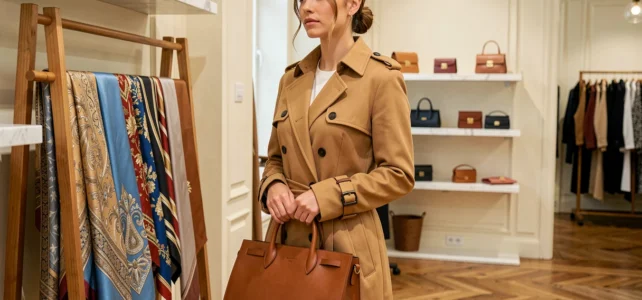
Choosing fashion accessories involves balancing three variables: color coherence with the outfit, the piece’s format in relation to the silhouette, and the accessory’s ability to remain wearable daily without losing its character. This article compares accessory categories based on these three criteria, then analyzes what distinguishes a “signature” accessory from a mere trend purchase.
Comparative table of accessories based on coherence, format, and stylistic durability
Not all accessories serve the same functions in a look. The table below classifies five common categories according to their ability to structure an outfit, adapt to multiple styles, and maintain their relevance beyond a season.
Recommended read : How to Choose the Right Circuit Breaker for Your Electric Water Heater: 16A or 20A?
| Category | Visual impact on the silhouette | Versatility (number of compatible outfits) | Risk of quick obsolescence |
|---|---|---|---|
| Wide leather belt | High (restructures the waist) | High (dresses, blazers, coats) | Low |
| Micro-format bag | Moderate (draws attention without altering the silhouette) | Limited (mainly evening outfits or streamlined looks) | High |
| Sculptural jewelry (brooch, statement ring) | Localized (collar, hand) | Medium (depends on the piece’s style) | Medium |
| Scarf or shawl | Moderate (dresses up the bust or head) | High (variable tying) | Low |
| Oversized glasses | High (frames the face) | Medium (strong aesthetic marker) | Medium |
The wide belt and scarf stand out for their versatility and longevity. The micro-format bag, despite its prominent presence on runways, remains a risky piece for everyday use.
To explore more references by category, accessories on fimina-mag.fr gather selections categorized by style and usage, allowing for format comparisons before a purchase.
Further reading : The best solutions to easily optimize your personal finances
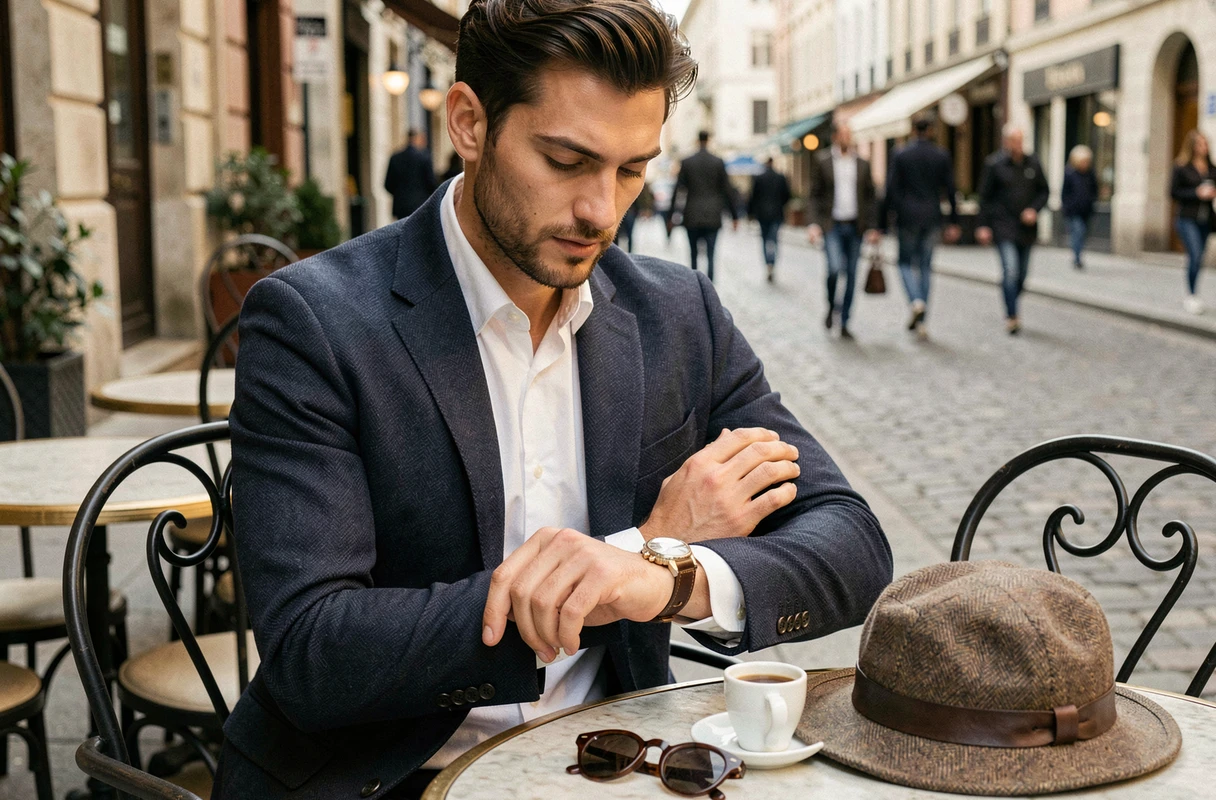
Signature accessory or passing trend: the criteria that make the difference
Competitors mainly focus on color-material harmonization. They overlook a more structural question: a signature accessory is chosen against the dominant trend, not with it.
Following the most shared piece on social media (the micro-format bag, for example) creates a uniformity effect. Several dozen identical looks appear in the same feeds, and the accessory loses all distinctive function.
What characterizes a signature accessory
- It matches at least three different outfits in your existing wardrobe without requiring the purchase of additional pieces to “justify” it.
- It has a detail of craftsmanship or shape not found in the most visible trend of the moment (a textured leather rather than standard smooth leather, an angular glasses frame rather than round).
- It remains wearable in a professional or casual context without appearing out of place, excluding pieces that are too theatrical for daily wear.
The sculptural brooches highlighted at Chanel, Schiaparelli, and Dior for spring-summer 2026 illustrate this logic. A well-chosen brooch modifies a blazer collar or coat lapel without imposing a complete style change. In contrast, a brooch that is too bulky or too referenced to a specific runway tips into costume accessory territory.
Color palette and accessory choice: coordinating without uniforming
The autumn-winter 2025-2026 season revolves around a precise palette: fresh butter, iced mocha, and deep burgundy. These shades provide a useful framework for matching an accessory to an outfit, but the trap would be to coordinate everything in the same hue.
An entirely burgundy look (dress, bag, belt) creates a flat visual block. The accessory loses its role as a focal point.
Coordination method through controlled contrast
The most reliable operational rule is to limit color matching to a maximum of two elements out of three. If the outfit and shoes share the same color range, the main accessory must stand out: a mocha bag with a burgundy outfit, or a fresh butter belt with a mocha ensemble.
This approach also works with materials. A lightweight silk scarf placed on a thick wool coat creates a texture contrast that draws the eye without resorting to a bright color. The gaze focuses on the difference in material rather than a pattern or logo.
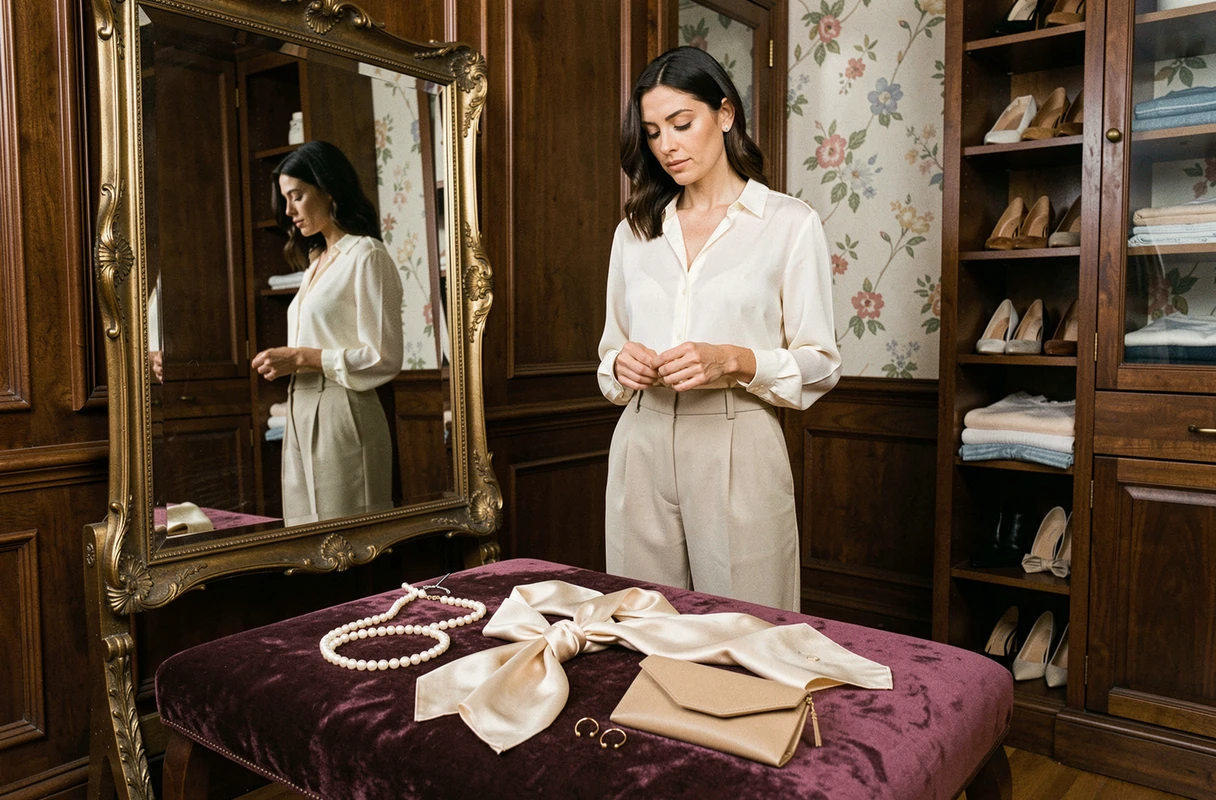
Wide belts and oversized glasses: two underestimated structuring pieces
Competing content focuses on jewelry and bags. Two categories fly under the radar while they significantly alter the perception of the silhouette.
Wide textured leather belts emerge as a structuring piece of the 2026 wardrobe. Worn over a flowing dress or oversized blazer, a wide belt visually repositions the waist and reshapes the proportions of the bust. It is not a decorative addition: it is a tool for constructing the silhouette.
Oversized glasses inspired by the 1970s serve a comparable function for the face. A wide frame alters the balance between the forehead, cheekbones, and jawline. The choice of shape (round, square, aviator) depends on the geometry of the face, not the current trend.
- Angular face: rounded frame to soften the lines.
- Round face: rectangular or square frame to structure.
- Long face: wide and low frame to rebalance vertical proportions.
In both cases, the belt and glasses share a common trait: their effect depends on the proportion relationship with the rest of the outfit, not on their price or brand.
Choosing an accessory that structures the silhouette or frames the face produces a more lasting result than a trendy piece replaced each season. The most useful piece in a wardrobe is not the most visible on the runways, but the one that works with the greatest number of outfits already owned.